Graham asks rural East Yorkshire: What’s holding us back?
British farmers help put affordable, high-quality food on our tables, but family farms are under growing pressure from rising costs, taxes and regulation, while drought is now hitting much of England.
Almost three-quarters of England is officially in drought following the driest July on record in England and Wales, with poor harvests raising concerns about farm incomes and future food prices.
Prime Minister Andy Burnham has responded with a £65 million package for farmers, including £50 million for the Sustainable Farming Incentive and up to £15 million for on-farm reservoirs.
But none of the £65 million is new money for farming. The Government has confirmed it is being moved from elsewhere within Defra’s existing farming budget and has not said where the money will be taken from.
Graham has welcomed measures to improve farmers’ access to water and make it easier to build farm reservoirs, which Conservatives have been calling for. But farmers and rural organisations in drought-hit parts of England have been warning about the problem for weeks.
The Country Land and Business Association has described the package as “little more than a temporary fix”, while the Countryside Alliance said rural communities had been “crying out for support for weeks”.
Graham says the announcement comes against a much wider backdrop of pressure on family farms and rural communities.
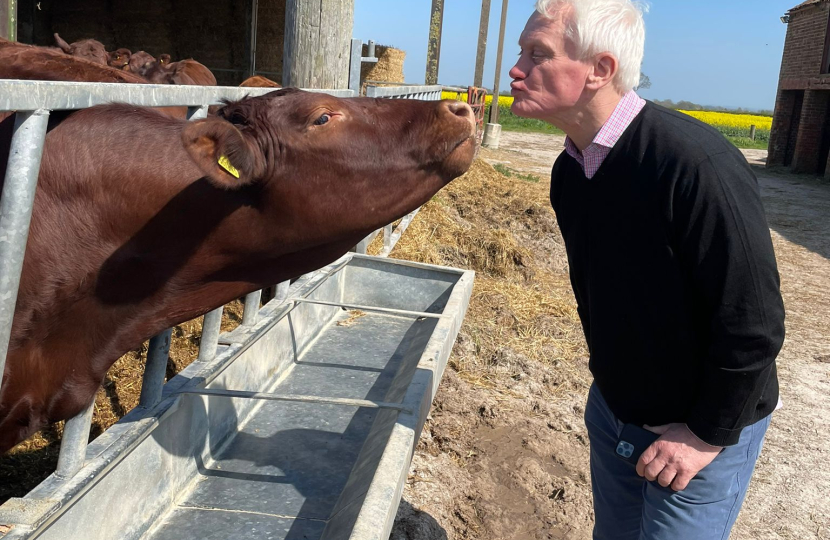
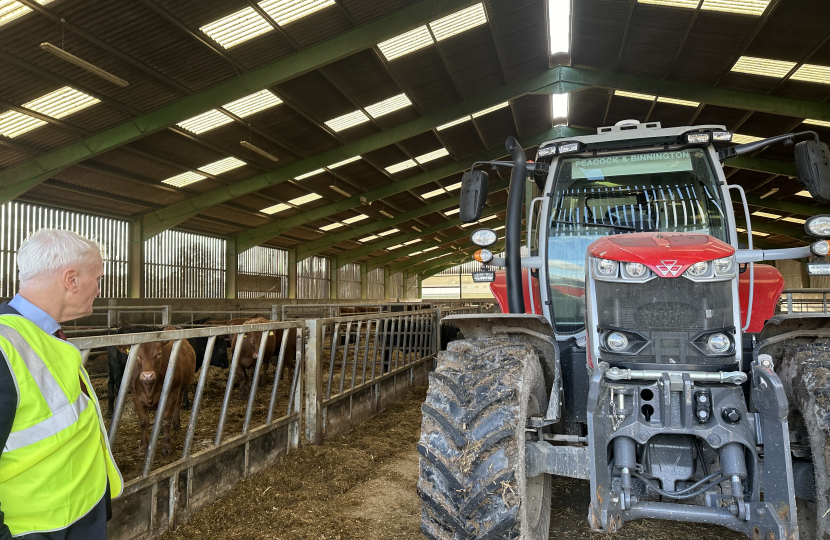
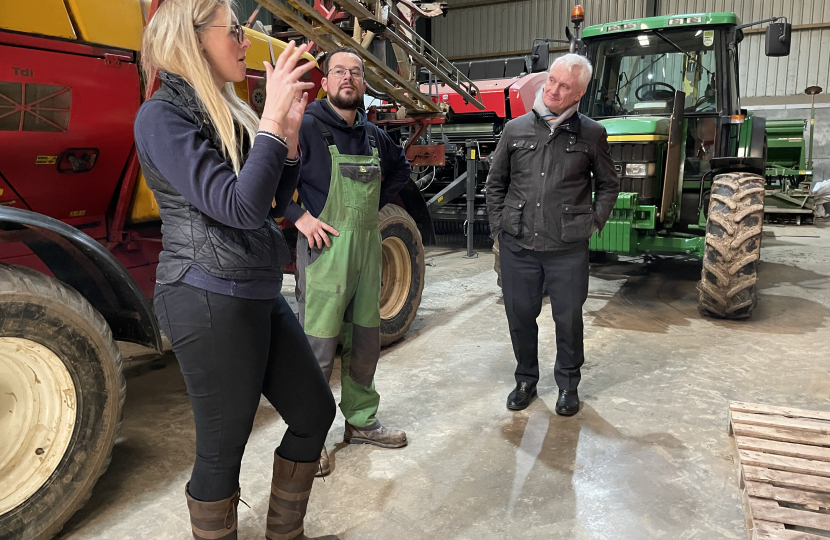
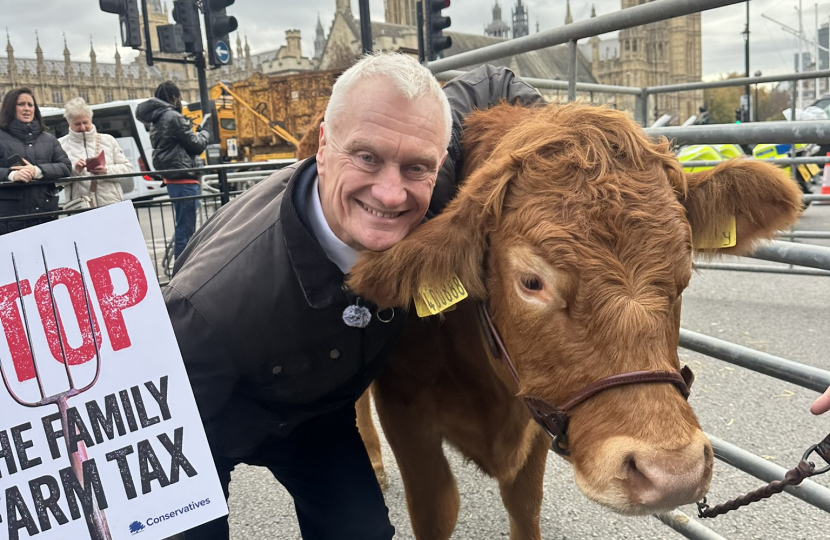
He has campaigned against Labour’s Family Farm Tax since it was announced, launching a local petition, meeting East Yorkshire farmers, joining farmers protesting in Westminster and repeatedly challenging ministers in Parliament.
Following sustained pressure from farmers and Conservatives, the Government was forced to change course on the tax last December. Graham said at the time that the concession showed what could be achieved when farmers and rural communities made themselves heard.
His work on rural issues has gone much further than farming. In recent months Graham has used evidence from local residents to secure Government support for households dependent on heating oil, campaigned against higher fuel duty hitting rural drivers, brought MPs and agencies together over the £200 million investment needed for River Hull flood defences, pressed for better rural transport and worked with residents concerned about the scale of major solar developments around Beverley and surrounding villages.
Now Graham wants to build on that approach by asking farmers, rural businesses and people living in villages across Beverley and Holderness what he should tackle next.
East Yorkshire is not currently officially in drought, and Graham says that illustrates why politicians should not assume every rural community faces the same problems.
His new Rural East Yorkshire Survey asks people about farming costs and profitability, taxation and regulation, flooding and drainage, roads and potholes, public transport, healthcare, rural crime, broadband and mobile coverage, and solar farms, pylons and other large developments in the countryside.
Residents are also being asked to rate how well East Riding of Yorkshire Council, the Hull and East Yorkshire Mayor and the UK Government understand rural needs, and to tell Graham the one change that would make the biggest difference to rural East Yorkshire.
John Holtby, Mid Holderness councillor and local farmer, said:
“The drought affecting much of England is a reminder of how exposed farming can be to things completely outside a farmer’s control.
“Better access to water and making it easier to build farm reservoirs are welcome, but drought is only one of the pressures facing British farming. Costs, taxes and regulation all add up.
“Every area is different, which is why it’s important Graham hears directly from farmers here about the problems we’re actually facing in East Yorkshire.”
Rebecca Webb, a Cherry Burton farmer, said:
“It’s easy to take British farming for granted because consumers are accustomed to having a wide choice of good quality produce to choose from when they go to the supermarket.
“But there are all sorts of pressures behind producing that food which people don’t necessarily see, and the challenges facing a farm in East Yorkshire won’t always be the same as those facing farmers elsewhere. The rising costs of fuel, fertilisers and other inputs, combined with uncertainty around Government farming schemes and inheritance tax, make forward planning for the business even more challenging.
“If we want British food on British tables at prices families can afford, we need farms that can survive, invest and have a future. I hope farmers and people across our villages will use Graham’s survey to tell him what needs to change.”
Graham said:
“Andy Burnham is right about one thing: our ability to grow our own food is a matter of national security.
“But farmers across much of England have been dealing with drought for weeks. It has taken until the middle of August for the Government to respond, and now we find its £65 million ‘boost’ isn’t new money for farming at all. It is being moved from elsewhere in the farming budget.
“Making it easier for farmers to access water and build reservoirs is sensible, and I welcome the Government finally adopting measures Conservatives have been calling for.
“But this isn’t happening in isolation. I’ve spent the past two years standing alongside East Yorkshire farmers against Labour’s Family Farm Tax because I know how important it is that viable farms can be passed from one generation to the next.
“And rural life is about much more than farming. Whether it’s the cost of heating an off-grid home, being able to get a bus to the doctor, protecting homes and farmland from flooding or making sure communities have a proper say over huge developments in their countryside, rural communities deserve to be heard.
“East Yorkshire isn’t currently in drought and I’m not going to pretend farmers here necessarily face exactly the same problems as farmers elsewhere. That’s precisely why I’m asking.
“I want farmers, rural businesses and people living in our villages to tell me what is making life harder here, what is holding us back and what I should be pushing Government and other authorities to change.
“I’ve seen before what happens when we gather local evidence and take it to the people making decisions. So tell me what the problem is and I’ll do everything I can to get something done about it.”