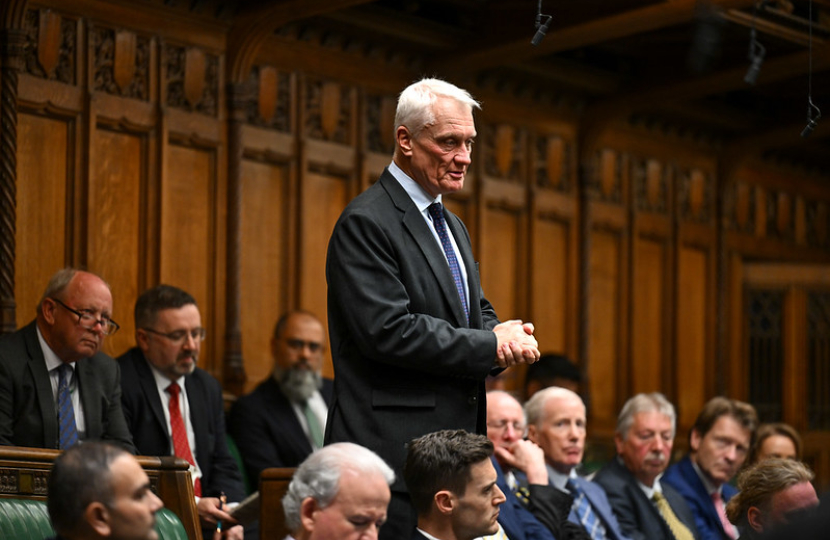
Graham has strongly criticised Chancellor Rachel Reeves’ Budget, branding it a “Budget of Welfare, not Work” and warning that it will hit hardworking people and employers across Beverley and Holderness while pouring billions more into welfare spending.
Reeves’ second Budget comes as the UK faces fresh fiscal difficulties following the Labour government’s decision to put the interests of those on benefits above those who work in a bid to appease disgruntled Labour backbenches as the governing party faces a catastrophic election defeat.
Key measures of the Budget include:
£26 billion increased taxation
Tax Thresholds frozen until 2031 – bringing 780,000 low earners into paying income tax and 922,000 middle earners into the Higher (40p) rate
Mansion Tax – a new £2,500 annual tax on properties in England worth over £2 million, rising to £7,500 for properties valued over £5 million
Taxes on Savings, Property and Dividends – Taxes on income from savings interest, property investments and dividends will rise by 2% from April 2027.
ISA Changes – Cash ISA allowance cut from £20,000 to £12,000 per year from April 2027 for all under-65s.
Electric Vehicle Tax – A new pay-per-mile tax of 3p per mile for EVs and 1.5p for plug-in hybrids.
Scrapping the Two-Child Benefit Cap at a cost of around £3 billion
Some energy surcharges removed to save around £150 on annual energy bills
Minimum Wage Increases – to £12.71 per hour, or £10.85 for 18 to 20 year olds
Fuel Duty Cut Extended to September 2026
Rail fares and prescription charges frozen
Student loan repayment threshold frozen until 2030-31
The Budget follows a year of terrible economic news, including inflation hitting a peak of 3.8%, growth stagnating to 0.1% in Q3 2025, down from 0.3% in Q2. Meanwhile unemployment hit 5%, or over 200,000 people out of work – levels not seen since the Covid pandemic.
Much of this was caused by Reeves’ 2024 October Budget, which increased the Jobs Tax (Employer National Insurance Contributions), despite the Chancellor’s previous promises not to increase National Insurance, increased National Minimum Wage, cutting back hospitality rates relief, ending universal Winter Fuel Payments for pensioners, introducing the Family Farm Tax alongside a series of anti-growth measures.
The Chancellor had hoped to reduce the UK’s booming welfare bill in July, but Labour MPs forced a u-turn on a measure to save £5 billion.
Graham has been a trenchant critic of the Chancellor, standing at the forefront in defending farmers, businesses and pensioners in the House of Commons. He was among the first MPs calling for her to be fired for her catastrophic mismanagement of the British economy.
When the Conservatives left office in July 2024, the UK had the highest growth in the G7, inflation was on target at 2% and 4 million more people were in work.
Commenting, Graham said, “You’d have though Rachel Reeves might have learnt that when you make it more expensive to hire workers, you get fewer workers.
“After last year’s catastrophic Budget, which led to 200,000 people going on the dole queue, you’d have thought Rachel Reeves learnt that increasing costs for businesses leads to less employment.
“Not only do we have less employment, our growth has stagnated and has now ground to a halt as the cost of living just goes up and up.
“Once upon a time, Labour was the party of working people. On Wednesday, Reeves cemented Labour’s position as the party of welfare, not work. She needs to go before she can do any more damage to our country.”